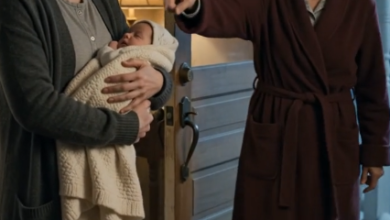
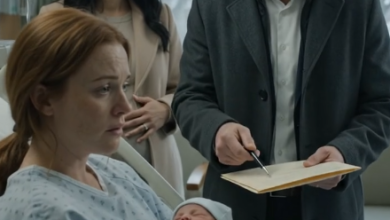
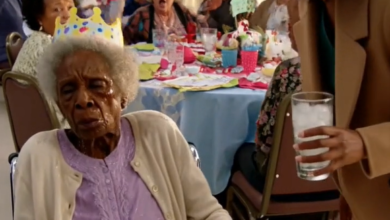
Part 2: An Old Man Was Mocked for Driving an Old Pickup Into a Luxury Neighborhood — What He Did Next Moved the Entire Community
Part 2
Harold Whitaker did not like gated neighborhoods.
He never said that out loud, because saying so made people think he hated money, and Harold did not hate money. Money paid hospital bills, bought decent shoes, fixed roofs before winter, and allowed old men to keep promises without calculating gas. What he disliked was the way gates made people forget that the road outside still existed.
Bellmont Ridge had been built where Miller’s dairy farm used to stand.
Harold remembered the farm before the stone columns, before the fountain at the entrance, before the man-made pond where children now fed ducks beside signs telling them not to feed ducks. He remembered fence lines, hay wagons, a red barn, and a gravel road where his wife, June, once walked barefoot after a summer rain because she said mud between the toes made a woman feel honest.
June had been gone seven years.
Harold still drove the same truck they bought used in 1994.
It had carried lumber for their porch, sacks of feed when they kept chickens, their son’s baseball gear, June’s flea market finds, and eventually oxygen tanks during her last spring. The passenger seat still had a faint worn place where she used to rest her hand near the door handle. Harold never replaced the truck because some things are not vehicles after a certain point. They are rooms that move.
That was the first truth Bellmont Ridge could not see when it saw rust.
The truck had history.
On Saturday morning, Harold had not planned to enter the neighborhood at all. He had spent the early part of the day at the old community church two miles away, helping sort donations after the annual fall cleanup. People in town brought things they no longer needed: coats, toys, blankets, dishes, children’s books, lamps that might work if someone patient loved them enough.
Harold was patient.
He repaired wobbly chairs, rewired old table lamps, sharpened garden tools, and loaded boxes into his truck for families who could use them. By noon, the church basement smelled like dust, coffee, cardboard, and the kind of generosity that arrived in mismatched bags.
He was carrying a box of winter coats to the truck when he found the wooden box.
It sat half-hidden under a pile of folded blankets, small enough to fit in both hands, made of cedar darkened by age. The latch was bent, but the lid still closed. Someone had wrapped a rubber band around it and stuck a yellow note on top.
Donate.
Harold did not open every donation, but something about the box stopped him.
Maybe it was the carved daisy on the lid.
Maybe it was the name scratched faintly underneath.
Emma.
Harold sat on the tailgate and eased the rubber band off.
Inside were drawings, a pink hair ribbon, a hospital bracelet from a children’s wing, two photographs, and a small stuffed lamb with one button eye missing. Beneath the lamb was an envelope addressed in a child’s uneven handwriting.
For Daddy when I miss Mommy too much.
Harold’s hands went still.
The second truth arrived quietly: this was not clutter.
This was a grief box.
He looked at the donation note again.
Donate.
He had seen mistakes like this before. Families cleaning fast. Moving houses. Remarrying. Downsizing. Throwing away pain because they thought it might help the living breathe. But a child’s grief should not be sorted by adults trying to make rooms look clean.
He found the address on the back of a photograph.
Bellmont Ridge. Hawthorne Lane.
That was why he came.
Not for charity.
Not for work.
Not because he belonged.
Because a box had been lost that should not have been.
At the guardhouse, the young security officer had looked at Harold’s truck as if it had escaped from a different decade.
“Can I help you, sir?”
“I need to return something to the Vale residence.”
“Are you a contractor?”
“No.”
“Delivery?”
“No.”
The guard hesitated.
Harold held up the wooden box.
“It belongs to a child.”
That should have been enough.
It wasn’t.
The guard called the house. No one answered. Then he called another number. Then he asked for Harold’s name. Then he frowned at the truck, the blankets, the shovel, the cooler, the toolbox, and the church donation sticker still stuck to one cardboard box in the bed.
“Mr. Whitaker, residents are particular about unregistered visitors.”
Harold nodded.
“Children are particular about things they lose.”
The guard stared at him, unsure whether he was being mocked.
Finally, because the line behind Harold had grown to three SUVs, he lifted the gate.
“Straight to the house, sir. No stops.”
Harold drove slowly through Bellmont Ridge.
He did not miss the faces.
The woman with the dog.
The teenagers.
The man trimming roses who stopped his clippers midair.
The way people looked not at him but at the truck, as if old metal could lower property values by proximity.
He almost turned around.
Not because he felt ashamed.
Harold had outlived too much for that.
But because there is a special exhaustion in being misread before you have even opened your mouth. At seventy-four, a man gets tired of proving he is not a threat simply because he carries his life in something dented.
Then he looked at the wooden box on the passenger seat.
Emma.
He kept driving.
At the Vale house, the driveway curved around a fountain. The home was enormous, pale stone and black trim, with tall windows that made every room look staged even from outside. Harold parked on the street because the driveway felt too polished for his truck, which was ridiculous and human.
Bradley Vale appeared before Harold reached the walkway.
Bradley was forty-six, White American, with brown hair graying at the temples, a navy quarter-zip sweater, expensive running shoes, and the restless confidence of a man used to calling managers. His phone was already unlocked.
Behind him, two neighbors paused on the sidewalk. A white-haired woman slowed her walk. The teenagers in the golf cart rolled closer.
“Sir,” Bradley said, “this is private property. Delivery entrance is around back.”
Harold looked at him, then at the house.
“I’m not delivering anything.”
Bradley’s eyes dropped to the wooden box.
“Then why are you here?”
“Because that little girl left something behind.”
Bradley’s face changed, but not enough. Suspicion got there first.
“What little girl?”
Before Harold answered, the upstairs window opened.
A small face appeared behind the screen.
Emma Vale was eight years old, White American, with pale skin, light brown hair, and eyes swollen from a crying that had lasted more than one afternoon. She saw the box in Harold’s hands.
Her voice cracked through the open window.
“Mom! He found it!”
The street fell still.
A woman rushed to the window behind Emma.
Then to the stairs.
Then the front door flew open.
And for the first time since Harold entered Bellmont Ridge, no one looked at his truck.
They looked at the box.
Part 3
Emma came down the front steps barefoot.
Her mother, Caroline Vale, hurried after her, one hand reaching but not stopping her. Caroline was thirty-nine, White American, with tired blue eyes, blond hair pulled into a loose ponytail, and the polished appearance of a woman who had spent the day trying to look composed while failing privately.
“Emma, slow down,” she said.
Emma did not slow down.
She ran across the walkway and stopped two feet from Harold, suddenly shy in front of the stranger holding the box.
“Is it mine?” she whispered.
Harold lowered himself slowly to one knee, though the movement made his left hip complain.
“I believe so.”
He held out the cedar box.
Emma took it with both hands and pressed it against her chest so hard the bent latch clicked.
Caroline covered her mouth.
Bradley looked confused, then irritated by his own confusion.
“Emma,” he said, “is that the box from the donation pile?”
Emma turned toward him.
“You gave it away?”
The question hit harder than any accusation.
Bradley opened his mouth.
“I didn’t know what it was.”
Caroline’s face changed.
“You said you checked everything.”
“I thought it was old craft stuff.”
Emma’s lower lip trembled.
“It’s Mommy’s box.”
The street seemed to inhale.
That was the first full turn.
Caroline was Emma’s stepmother.
The box belonged to Emma’s first mother.
Bradley’s late wife, Megan Vale, had died eighteen months earlier after a sudden aneurysm on a Tuesday morning while Emma was at school. The neighborhood knew the broad facts. They had sent flowers. They had arranged meal trains. They had whispered about how young Megan had been, how sad for Bradley, how hard on the child. Then, as wealthy neighborhoods often do, they made grief decorative and moved on.
Caroline arrived ten months later.
She was kind, awkward, newly married into a house where every closet held someone else’s perfume. She had never tried to replace Megan, but every ordinary act risked looking like erasure. Move a photograph and someone noticed. Leave all the photographs and the house became a shrine. Suggest cleaning Emma’s room and the girl stopped speaking for a day.
The donation pile had been part of Caroline’s attempt to help.
Bradley had insisted they needed to “reset the house.”
Caroline had argued gently.
Emma had cried.
A professional organizer came Tuesday.
By Saturday, the box was gone.
Harold knew none of that, but he understood enough from Emma’s hands.
“May I open it?” Emma asked him, not her father.
That was the second turn.
In that moment, the child trusted the stranger who returned the box more than the house that lost it.
Harold nodded.
“It belongs to you.”
Emma sat on the front step and opened the lid.
Inside, the stuffed lamb lay on top, one button eye missing. Emma let out a sound that made Caroline turn away.
“Lamby,” she whispered.
She lifted the toy and pressed it to her cheek.
Bradley rubbed his forehead.
“I didn’t realize that was in there.”
Emma looked at him.
“You didn’t ask.”
No one rescued him from that.
A neighbor across the street, Melissa Hargrove, stood with her little white dog in her arms. She had laughed earlier with the teenagers about the truck. Now her face had gone pale. She remembered seeing the professional organizer carrying bags to the garage. She remembered thinking the Vale house looked better without “all those sad little piles.”
Harold stayed kneeling.
Emma pulled out the envelope.
For Daddy when I miss Mommy too much.
Bradley’s face went gray.
“I’ve never seen that,” he said.
Emma looked at him.
“I was saving it.”
“For what?”
She held the envelope in her lap.
“For when you forgot her voice.”
The sentence did not sound like something an eight-year-old should have to say.
Caroline began crying silently.
That was the third turn.
Bradley had not been cruel because he hated Megan’s memory. He had been careless because his own grief made him afraid of it, and fear dressed itself as cleaning.
Harold tried to stand, but Emma stopped him.
“Please don’t go yet.”
He settled back, one hand on his knee.
The teenagers in the golf cart had stopped whispering.
The guard from the gate had arrived in a small security vehicle and now stood near the curb, embarrassed enough to stay silent.
Bradley looked at Harold.
“Where did you find it?”
“At the community church donation center.”
Bradley’s eyes dropped to the truck.
“You drove it back?”
“Yes.”
“Why?”
Harold looked at Emma.
“Because when a child puts somebody’s memory in a box, grown folks ought to be careful before they call it clutter.”
The words moved down the street like a wind through leaves.
That was the fourth turn.
The old man in the rusted truck had not come to embarrass anyone. He came because he understood the sacredness of things that look worthless to people who are not grieving.
Caroline stepped forward.
“Mr. Whitaker, thank you.”
Harold nodded.
“I almost didn’t come.”
Emma’s eyes widened.
“Why?”
He looked at the houses, the neighbors, the gate visible far down the lane.
“Because I figured this neighborhood might not want my truck sitting in it.”
No one laughed now.
Bradley looked toward the faded blue Ford. The dented bumper. The toolbox. The folded blankets. The cracked cooler. The church sticker.
“What are the blankets for?” Emma asked.
Harold smiled faintly.
“Church donations.”
“For who?”
“Families who need them.”
Emma looked inside the truck bed.
“All of them?”
“Some. The rest are going to the motel on Route 11. There are people staying there until they find somewhere better.”
Melissa Hargrove lowered her dog.
The guard looked at the ground.
Bradley said, quietly, “You were doing deliveries.”
“Returns,” Harold said.
“Returns?”
“Returning warmth where it belongs.”
That line would be repeated later, though Harold never meant it to become anything.
Emma held the box tighter.
Then she looked at the front lawn, at the neighbors, at the adults who had watched her grief become a street scene.
“Can I show him Mommy’s tree?” she asked Caroline.
Caroline wiped her eyes.
“Yes, sweetheart.”
Bradley did not object.
Emma took Harold’s hand.
His rough hand swallowed her small one.
She led him around the side yard to a young maple planted near the garden wall. A small stone beneath it read Megan Vale, Beloved Mother. Harold read it once, then removed his cap.
That small gesture broke Caroline.
He did not know Megan.
He did not know their family.
But he removed his cap for the woman whose memory he had brought home.
Emma opened the wooden box beside the tree and took out the photograph.
It showed Megan kneeling in garden soil with Emma as a toddler, both of them laughing, both of them dirty. Behind them was a much younger maple tree in a nursery pot.
“She said we would plant it when I got bigger,” Emma whispered.
Harold looked at the tree.
“She kept her promise then.”
Emma nodded.
Bradley stepped closer, tears finally falling.
“I’m sorry, Em.”
Emma did not answer.
Caroline placed one hand on Bradley’s back, not to comfort him, but to help him stay present instead of retreating into shame.
Harold stood slowly.
“I’ll be going.”
Emma turned.
“Wait.”
She ran back to the porch, dug into the wooden box, and returned with the stuffed lamb.
She held it out.
Harold shook his head.
“No, ma’am. That stays with you.”
“Not to keep,” Emma said. “Can you fix his eye?”
Harold stared at the lamb.
One black button gone.
One thread hanging.
He smiled for the first time since arriving.
“I believe I can.”
That was the main twist.
The act that moved the neighborhood was not merely returning the box. It was what happened next, when Harold sat on the curb beside his rusted truck, opened his toolbox, found a small tin of spare buttons, and repaired a dead mother’s stuffed lamb while an entire wealthy street watched in silence.
He threaded the needle with hands that shook only once.
Emma sat beside him.
Caroline sat on the grass.
Bradley stood behind them with his arms crossed over his chest as if holding himself together.
Neighbors drifted closer.
Not too close.
Close enough to witness.
Harold chose a black button from the tin.
“Not exact,” he said.
Emma looked at Lamby.
“That’s okay.”
“Different can still belong.”
Emma nodded like she understood more than some adults.
When Harold finished, he handed the lamb back.
Emma studied the new eye, then hugged the toy to her chest.
“Mom would like you,” she said.
Harold looked down at his hands.
“I hope so.”
Melissa Hargrove began crying then. The teenagers looked away. Bradley walked to the truck and touched the dented fender, almost as if apologizing to the metal.
“What else is in the back?” he asked.
Harold glanced over.
“Blankets. Coats. A few food boxes. Somebody’s heater if I can get it working.”
Bradley looked down Hawthorne Lane at the mansions with three-car garages and guest rooms no one used.
Then he said something no one expected.
“Would it help if we followed you to the motel?”
Harold looked at him carefully.
“Help who?”
Bradley swallowed.
“The people waiting for warmth.”
Harold did not answer right away.
He had seen guilt turn generous for one afternoon and then vanish by Monday. He had seen rich people donate what embarrassed them and call it compassion. But Emma stood beside Bradley holding Lamby, watching her father as if his next words mattered to the kind of man he might become.
Harold nodded toward the truck bed.
“Only if you bring things people can actually use.”
That was how Bellmont Ridge changed, not all at once, and not because a speech told it to.
Because an old truck arrived carrying a lost box.
And because a child asked the right stranger to fix what everyone else had nearly thrown away.
Part 4
That evening, Hawthorne Lane looked different.
At first, it was practical movement.
Car doors opening.
Garage lights coming on.
People walking in and out of large houses carrying coats, blankets, unopened socks, grocery bags, diapers, canned soup, space heaters, laundry detergent, children’s books, and the kind of basic things they had not thought about as valuable because they had never been without them.
Harold stood beside his truck with a clipboard Caroline found in a kitchen drawer.
“Blankets here,” he said. “Food boxes there. Coats by size. Don’t bring anything with broken zippers unless you’re willing to fix them.”
A teenager named Caleb, the same boy who had made the gardener joke, held up a ski jacket.
“This okay?”
Harold checked the zipper.
“Warm?”
“Yeah.”
“Clean?”
“Yeah.”
“Would you wear it in public?”
Caleb looked confused.
“I guess.”
“Then it’s a donation. If not, it’s trash wearing manners.”
Caleb nodded slowly.
That sentence stayed with him.
By 6:20, Harold’s old pickup could not hold everything. Bradley brought his SUV. Melissa brought hers. Two other neighbors pulled up with vehicles so clean they looked uncomfortable beside Harold’s truck, but they opened their trunks anyway.
Emma sat on the curb with Lamby in her lap, watching adults sort the way Harold told them to sort. Not carelessly. Not dramatically. Carefully, because each item was going to a person who would hold it on a hard night.
Caroline sat beside her.
“Are you okay?” she asked.
Emma looked at the repaired button eye.
“I’m still mad.”
“That’s okay.”
“At Dad.”
“That’s okay too.”
“And a little at you.”
Caroline’s eyes filled.
“I know.”
Emma leaned against her.
“But you cried when he fixed Lamby.”
“I did.”
“Mommy would like him.”
“I think so.”
For the first time in weeks, Emma let Caroline put an arm around her.
Not fully.
Not easily.
But enough.
Bradley saw from the driveway and turned away, wiping his eyes before anyone could comment.
At 6:45, the small caravan left Bellmont Ridge.
Harold’s pickup led.
Behind it came three luxury SUVs, two sedans, and one golf cart that was absolutely not allowed on public roads until the guard stopped Caleb and made him park it. The teenagers groaned, but the guard surprised everyone by loading blankets into his security vehicle and joining the line himself.
They drove to the Route 11 motel, a low brick building with flickering lights, peeling paint, and a parking lot full of cars that looked one repair away from surrender. Families had been staying there for weeks after an apartment fire across town, a factory layoff, medical bills, bad luck, and the thousand private reasons people end up in temporary rooms.
Harold knew most of them by name.
A mother named Tasha opened her door when she saw his truck.
“You’re late,” she called.
“Brought traffic,” Harold said.
Then she saw the vehicles behind him.
Her expression tightened with caution.
Harold noticed.
He turned to the Bellmont Ridge neighbors before they could unload.
“Listen first,” he said. “Ask before handing people things. Don’t photograph anyone. Don’t call children brave because they’re cold. And if somebody says no, you respect it.”
The neighbors nodded.
Some looked ashamed that he had to say it.
Good.
Shame can be useful when it teaches manners.
For the next hour, Bellmont Ridge stopped being an address and became a set of hands. Melissa knelt to help a little boy try on boots. Caleb carried food boxes up outdoor stairs without making jokes. Bradley delivered a heater to Room 18, then stayed fifteen minutes helping Harold check the outlet because Harold did not trust the old wiring. Caroline sat on a curb with Tasha, not asking what happened, just listening while Emma showed two younger children how Lamby’s new eye did not match and still worked.
At one door, an older man refused a blanket.
“I’m fine,” he said.
Harold looked at him.
“You cold?”
The man shrugged.
Harold handed him the blanket anyway.
“Then be fine warmer.”
The man took it.
By the time they finished, the sky had gone purple, and the motel windows glowed with a softer kind of light. Not rescued. Not solved. Just warmer.
Bradley stood beside Harold’s truck, exhausted in a way his office job had never made him.
“I thought you were just some guy coming into the neighborhood,” Bradley said.
Harold closed the tailgate.
“I am just some guy.”
“No,” Bradley said. “You’re not.”
Harold looked at him.
“Careful. Putting people on pedestals is another way of not standing beside them.”
Bradley absorbed that.
Then he nodded.
The next morning, the Bellmont Ridge community message board looked different too.
Usually, it held complaints about lawn crews starting too early, delivery trucks blocking driveways, teenagers driving golf carts too fast, and whether holiday lights should be warm white or classic white. That Sunday, the first post came from Melissa Hargrove.
Does anyone know Mr. Whitaker’s church donation schedule? I’d like to help properly this time.
Properly.
That word mattered.
Within hours, people volunteered storage space, transportation, repair skills, grocery cards, and time. Harold refused half the offers because they were impractical. He accepted the ones that came with sleeves rolled up.
On Tuesday, Bradley drove to the church basement in jeans.
Harold handed him a box of donated lamps.
“Test them.”
Bradley looked relieved.
“I can do that.”
“Don’t look so proud. It’s plugging things in.”
They worked for three hours.
At one point, Bradley found a lamp with a cracked cord and nearly put it in the usable pile. Harold stopped him.
“If your daughter plugged that in, would you call it safe?”
“No.”
“Then don’t give it to somebody else’s daughter.”
Bradley placed it in the repair pile.
A small lesson.
A necessary one.
Caroline began visiting the motel once a week with Emma, not to perform kindness but to help with homework hour in the lobby. Emma brought Lamby every time. Children loved the mismatched eye. One little girl said it made him look like he had “seen extra things.” Emma liked that.
At home, the wooden box returned to her room.
Not hidden.
Not displayed like a museum piece.
Used.
She kept new notes inside: memories of her mother, questions for Caroline, drawings of the maple tree, and one photograph of Harold sewing Lamby’s eye on the curb. Bradley had taken it from a distance without showing anyone’s face clearly. Emma asked for a copy.
She wrote underneath it:
Somebody brought back what we forgot to protect.
Bradley read the sentence and sat on the edge of her bed for a long time.
“I failed you,” he said.
Emma kept arranging the papers in the box.
“You made a bad mistake.”
“Yes.”
“You have to ask before moving Mommy things.”
“I will.”
“Even if you’re sad.”
“Especially then.”
She looked at him.
That answer seemed to matter.
In December, Bellmont Ridge held its usual holiday decorating contest. Harold hated contests but loved extension cords, so he came to help after three houses blew outdoor outlets trying to power too many lights. His truck, once mocked, became familiar on the lane. Children waved when it coughed past the gate. The guard no longer asked whether he was expected.
On Christmas Eve, Harold arrived at Hawthorne Lane just before dusk.
Not for donations.
Not for repairs.
Emma had invited him to see Megan’s maple tree.
The neighbors had gathered quietly, each holding a small battery candle. No one had planned a grand ceremony. Emma had asked for lights around the tree because her mother loved “warm-looking things,” and somehow the request had traveled from house to house until people came outside without needing to be told why.
Harold parked the old blue truck by the curb.
This time, no one frowned.
He walked slowly toward the tree, carrying a small wooden ornament shaped like a lamb. One eye was dark. The other was a lighter button.
Emma saw it and smiled.
“You made him.”
“Scrap wood,” Harold said. “Nothing fancy.”
She held it like glass.
“Can we hang it?”
Bradley lifted her gently so she could reach a low branch. Caroline steadied the ornament. Harold stood back with his cap in both hands.
When the candlelights came on around the yard, the maple tree glowed softly against the winter dark.
Megan’s stone sat beneath it.
Lamby’s ornament turned slowly in the wind.
For a moment, the neighborhood was quiet enough to hear the distant traffic beyond the gates, the world outside that had always been there.
Melissa stepped beside Harold.
“I’m sorry for laughing at your truck.”
He looked at the Ford, dented and faded under the streetlight.
“Truck’s been laughed at by better people.”
She smiled sadly.
“I’m sorry anyway.”
He nodded.
“Then give it something useful to carry next week.”
“I will.”
He believed her.
Later, when everyone drifted home, Emma walked Harold to his truck.
“Do you miss your wife?” she asked.
Harold opened the door, then paused.
“Every day.”
“Does it get better?”
He looked toward Megan’s tree.
“It gets different. Some days that feels like better. Some days it doesn’t.”
Emma nodded, accepting the answer because children recognize truth when adults stop decorating it.
She touched the repaired button eye on Lamby.
“Thank you for bringing my box back.”
Harold looked at her small hand on the toy.
“Thank you for letting me fix what I could.”
Emma hugged him then, quickly, fiercely, before running back to her father and Caroline.
Harold climbed into the truck.
The engine coughed twice, then turned over.
As he drove slowly down Hawthorne Lane, porch lights came on one by one behind him. Not because anyone had coordinated it. Not because of a message board. Just neighbors noticing, responding, and letting the old truck leave through a road lit brighter than the one it entered.
At the gate, the guard raised his hand.
“Evening, Mr. Whitaker.”
Harold tipped his cap.
In the rearview mirror, Bellmont Ridge glowed behind iron fences, still wealthy, still manicured, still imperfect. But somewhere inside it, a little girl had her mother’s box back, a father had learned to ask before cleaning grief away, and a neighborhood had discovered that kindness is not a decoration for good people.
It is work.
Harold drove toward the church basement, where there were still lamps to test, coats to sort, and boxes waiting for people who needed them more than anyone needed applause.
On the passenger seat lay a single thank-you card from Emma, drawn in crayon.
It showed an old blue truck carrying a wooden box under a row of porch lights.
Harold placed one rough hand over it at a red light, just for a second, then kept driving.
Follow this page for more heartfelt stories about dignity, kindness, and the quiet people who bring back what others forget to protect. 🌷